
ABB 3HAC4776-1/1 Industrial Control Module
ABB 3HAC4776-1/1 Industrial Control Module
Brand background
ABB, as a leading enterprise in the global industrial automation field, occupies an important position in the electrical and automation fields with its profound technological accumulation and innovative spirit. Its products are known for their high reliability and performance, and are widely used in many industries such as power, manufacturing, and robotics. In the research and development of industrial control modules, ABB has always been guided by meeting customer needs and continuously launching advanced products. The 3HAC4776-1/1 industrial control module is its excellent achievement in this field, providing strong support for the industrial automation process.
Product Overview
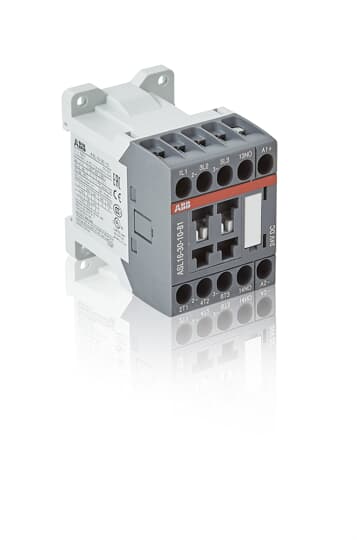
The ABB 3HAC4776-1/1 industrial control module is a core component designed specifically for industrial automation control systems, playing a critical role in robot control systems. It can accurately process and transmit various control signals, achieve precise control of robot motion trajectory and action logic, and is also suitable for monitoring and regulating equipment in other industrial automation scenarios, ensuring efficient, stable, and precise operation of industrial production processes. It is an important foundation for industrial automation systems to achieve intelligent control.
core features
(1) High precision control capability
The 3HAC4776-1/1 module has excellent high-precision control characteristics and can accurately adjust the motion parameters of robots or other industrial equipment. Through advanced algorithms and fast data processing capabilities, precise control of parameters such as position, velocity, and acceleration can be achieved, with control accuracy reaching the micrometer level, meeting the high precision requirements of industrial production such as precision machining and assembly, effectively improving product quality and production efficiency.
(2) Powerful compatibility and scalability
This module supports multiple communication protocols, such as EtherNet/IP, Profinet, etc., and can seamlessly connect with different brands of PLCs, robot controllers, sensors, and actuators, with strong compatibility. At the same time, adopting a modular design with good scalability, users can flexibly add or reduce functional modules according to actual production needs, facilitating system upgrades and transformations, and adapting to constantly changing industrial production scenarios.
(3) Efficient data processing and transmission
Built in high-performance processor, capable of quickly processing large amounts of control data and sensor feedback information. Fast data transmission rate and low latency ensure timely and accurate issuance of control instructions to executing devices, while providing real-time feedback on device operation status to the control system, achieving real-time monitoring and efficient collaborative operation of industrial automation systems.
(4) Comprehensive fault diagnosis and protection mechanism
The module is equipped with an intelligent fault diagnosis system that can monitor its own operating status and the working condition of connected devices in real time. Once a fault is detected, such as communication interruption, overload, sensor abnormality, etc., the alarm mechanism is immediately triggered, and detailed fault information is output through LED indicator lights and communication interfaces, making it convenient for maintenance personnel to quickly locate and troubleshoot the fault. In addition, it also has functions such as overvoltage protection and overcurrent protection, effectively preventing module and connected equipment from being damaged due to electrical abnormalities, and improving the reliability and stability of the system.
Technical Parameter
(1) Electrical parameters
Working voltage: Supports a wide range of DC voltage input, usually 24VDC ± 15%, which can adapt to common voltage fluctuations in industrial sites and ensure stable operation of the module.
Signal processing capability: able to quickly process analog and digital signals, with analog input and output accuracy up to ± 0.1% FS (full scale), and digital input and output response time short, ensuring the accuracy and timeliness of signal processing.
(2) Communication parameters
Communication interface: Equipped with various communication interfaces such as Ethernet interface and RS485 serial port, it is convenient to connect and transmit data with different devices.
Communication Protocol: Supports multiple industrial communication protocols such as EtherNet/IP, Profinet, Modbus TCP, etc., enabling efficient communication and collaborative work with different brands and types of industrial automation equipment.
(3) Physical parameters
Size specifications: Adopting a compact design, the external dimensions are approximately [length x width x height, such as 150mm x 100mm x 50mm (subject to actual product)], making it easy to install in control cabinets or equipment cases with limited space, saving installation space and improving system integration.
Installation method: Supports two installation methods: standard DIN rail installation and screw fixed installation. The installation process is simple and fast, convenient for on-site installation and later maintenance.
Environmental adaptability: The working temperature range is generally from -25 ℃ to+60 ℃, and the relative humidity range is 5% -95% (without condensation). It has good resistance to vibration, impact, and electromagnetic interference, and can operate stably in harsh industrial environments.
Working principle
During the operation of industrial automation systems, the 3HAC4776-1/1 industrial control module first receives analog and digital signals from sensors through input interfaces, such as robot position information feedback from position sensors and pressure data detected by pressure sensors. The analog signal is amplified, filtered, and processed by the front-end signal conditioning circuit, and then converted into a digital signal by an A/D converter; Digital signals are directly subjected to level conversion and isolation processing, and then these signals are transmitted to the central processing unit (CPU) inside the module.
The CPU performs logical operations and algorithm processing on input signals based on pre written and stored control programs in the module memory, generating corresponding control instructions. After processing, these control instructions are transmitted to the executing mechanism through the output interface, such as the servo motor driver and regulating valve of the robot, to control the operating status of the equipment and achieve regulation of the industrial production process.
Throughout the entire operation, the communication module is responsible for data exchange with external devices. On the one hand, the collected data and module operation status information are packaged according to the selected communication protocol and uploaded to the upper computer monitoring system or other network devices through the communication interface; On the other hand, it receives control instructions and parameter adjustment information from the upper computer or other devices, and transmits them to the CPU for processing. At the same time, the fault diagnosis module continuously monitors the operating status of each part of the module, and once any abnormalities are detected, the corresponding fault handling mechanism is immediately triggered.
Key advantages
(1) Improve production accuracy and efficiency
High precision control capability makes industrial production processes more precise, reduces waste rates, and improves product quality. Fast data processing and transmission capabilities ensure timely device response, effectively improve production efficiency, and reduce production costs.
(2) Reduce the difficulty of system integration
The strong compatibility and rich communication protocol support enable this module to easily integrate into different industrial automation systems without the need for complex interface conversion and protocol adaptation, greatly reducing the difficulty and cost of system integration and accelerating project implementation progress.
(3) Reduce maintenance costs and downtime
A comprehensive fault diagnosis and protection mechanism can quickly locate the fault point and reduce troubleshooting time. Modular design facilitates the replacement of faulty modules, shortens equipment maintenance time, reduces maintenance costs, minimizes downtime caused by equipment failures, and ensures the continuity of industrial production.
(4) Adapt to diverse industrial demands
The flexible scalability and customizable control functions enable it to meet the diverse needs of different industries and production processes. Whether it is simple single machine control or complex production line automation systems, it can provide reliable control solutions.
precautions
(1) Installation environment requirements
When installing, a dry, well ventilated, and suitable temperature environment should be selected to avoid installation in places with high temperature, humidity, corrosive gases, or strong electromagnetic interference. If it is impossible to avoid harsh environments, effective protective measures should be taken, such as installing heat dissipation devices, electromagnetic shielding equipment, etc., to ensure the normal operation of the module.
(2) Wiring standard operation
Strictly follow the wiring diagram in the product manual to connect the power and signal lines, ensuring correct wiring and accurate polarity. Different types of signals (such as analog, digital, and power lines) should be wired separately to avoid signal interference. After the wiring is completed, carefully check whether the wiring terminals are secure to prevent loose connections that may cause poor contact or short circuits.
(3) Programming and Parameter Setting
Before programming and parameter setting, it is necessary to fully understand the industrial control requirements and the functional characteristics of the module, to ensure that the control program logic written is correct and the parameter settings are reasonable. When modifying programs and parameters, it is important to make backups to prevent data loss. When downloading programs and updating parameters, ensure that the module is in a safe state to avoid module failures or production accidents caused by improper operation.
(4) Usage and maintenance
During use, avoid long-term overload operation of the module, regularly check the working status and connecting cables of the module, and observe whether the LED indicator light is normal. According to the recommendations in the product manual, regularly clean the module, remove surface dust, check for loose electrical connections, and ensure that the module is always in good working condition. At the same time, properly store the module's user manual, programming files, and other related materials for troubleshooting and technical support when needed.
- OMRON
- ABB
- General Electric
- EMERSON
- Honeywell
- HIMA
- ALSTOM
- Rolls-Royce
- MOTOROLA
- Rockwell
- Siemens
- Woodward
- YOKOGAWA
- FOXBORO
- KOLLMORGEN
- MOOG
- KB
- YAMAHA
- BENDER
- TEKTRONIX
- Westinghouse
- AMAT
- AB
- XYCOM
- Yaskawa
- B&R
- Schneider
- KONGSBERG
- NI
- WATLOW
- ProSoft
- SEW
- ADVANCED
- Reliance
- TRICONEX
- METSO
- MAN
- Advantest
- STUDER
- DANAHER MOTION
- Bently
- Galil
- EATON
- MOLEX
- DEIF
- B&W
- ZYGO
- Aerotech
- DANFOSS
- Beijer
- Moxa
- Rexroth
- Johnson
- WAGO
- TOSHIBA
- BMCM
- SMC
- HITACHI
- HIRSCHMANN
- Application field
- XP POWER
- CTI
- TRICON
- STOBER
- Thinklogical
- Horner Automation
- Meggitt
- Fanuc
- Baldor
- SHINKAWA
- Other Brands
- UniOP
- KUKA
- Iba
- Beckhoff
- ADLINK
-
 Sigmatek MDD111-1 DIAS Drive Axis Module
 -
 Sigmatek DKL042 05-024-042 Terminal Module
 -
 Sigmatek DM822 Control Module
 -
 Sigmatek CDM167 12-008-167-O Module
 -
 Sigmatek TAE151 Touch Display Unit
 -
 Sigmatek DCC041 SLIDES Module 05-700-041-D
 -
 Sigmatek AKM65M-ANC2GBB0 PM Servo Motor
 -
 Sigmatek ETT221 01-230-221 Operator Terminal
 -
 Sigmatek SLIDES DAM 124 Analog Module
 -
Sigmatek AKM31C-ANCNGBB0 Servo Motor
-
 Mannesmann Demag Sigmatek CP626 Central Unit
 -
 SIGMATEK 0332.554.03 Board 371071000154
 -
 SIGMATEK 12-250-021 Base Plate Back Panel CM5V020
 -
 SIGMATEK DM162 S-DIAS Digital Mix Module
 -
 DEMAG ERGOTECH 061 381 66 Sigmatek 9842.243.02 Circuit Board
 -
 SIGMATEK CP313-1 PLC Module
 -
Sigmatek ETV0551-2 VARAN Touch Terminal
-
 Sigmatek SDM 081 FS S-Dias Safety Module
 -
 DEMAG 05-250-023 Ergotech Motherboard with Sigmatek TMS012
 -
Sigmatek CM5V020 12-250-023-K Wiring Base
-
 Sigma Tek 5000B-37 Attitude Gyro Indicator
 -
 Sigmatek SDD120-2 DIAS Drive
 -
 Sigmatek CME221 Memory Module
 -
 Sigmatek DCP640 DIAS Central Unit
 -
 Sigmatek STO040 Safety Output Module
 -
Sigmatek CET281 Control Panel
-
 Sigmatek CIPC LX800 Demag NC5 CPU
 -
 Sigmatek DKL093 05-024-093 Terminal Module
 -
 Sigmatek AI088 20-009-088 Analog Input Module
 -
Sigmatek CAI888 Analog Input Module
-
SIGMATEK CCA021 12-025-021 Analog Output Module
-
SIGMATEK 1104.579.05 Control Module
-
SIGMATEK SDI100 Digital Input Module
-
 SIGMATEK C-IPC 256MB LX800 Compact Dias
 -
 SIGMATEK 9423.090.02 Control Module
 -
SIGMATEK C-IPC 256 Power Supply 148498
-
 SIGMATEK CAI025 Analog Input Module
 -
 SIGMATEK CTO166 Digital Output Module
 -
 SIGMATEK CP112 20-004-112 Processor Module
 -
SIGMATEK CAI887 12-009-887 Safety Module
-
 Sigma-Tek 4000B-31 Directional Gyro 1U262-002-42
 -
Sigmatek C-IPC 256MB LX800 IPC Controller
-
Sigmatek C-IPC 01-450-031 Industrial PC LX800
-
Sigmatek C-IPC 256 Industrial PC Controller
-
Sigmatek CCP-531 PLC Processor Module
-
Sigmatek CDI163 Digital Input Module
-
 Sigmatek ETV0501 VARAN Terminal 12-230-0501
 -
 Sigmatek CTMS020 C-DIAS Technology Module
 -
 Sigmatek CIV512 VARAN Switch Module
 -
 Sigmatek HU011 20-080-011 Interface Module
 -
SIGMATEK SLIDES DAM 124 Module
-
 SIGMATEK C-IPC 161 01-450-161L Industrial PC
 -
SIGMATEK C-IPC 128MB VIA 733MHz 01-450-024-K
-
 SIGMATEK 12-780-012 R8-IPC Geode LX800 Module
 -
SIGMATEK CAM124 Analog Module
-
 SIGMATEK S1 032-8AF61-R4 EZ Servo Motor
 -
 SIGMATEK CTO163 Digital Output Module
 -
 SIGMATEK CCP082 12-004-082 Processor Module
 -
 SIGMATEK CRCH081 C-DIAS Temperature Module
 -
 SIGMATEK PC322-K 01-310-322-K Industrial PC
 -
SIGMATEK SDD310-2 Servo Drive
-
 SIGMATEK AI084 Analog Input Module
 -
SIGMATEK CRCH081 12-752-081 Temperature Module
-
Sigma-Tek 5000L-4 Attitude Gyro 1U284-001-3
-
 SIGMATEK CM5V020 12-250-023-K Wiring Module
 -
Sigma-Tek 4000H-6 Directional Gyro IU262-035-7
-
 SIGMATEK Dias DCP160 05-004-160 Processor Module
 -
SIGMATEK 0147.395.02 Control Module
-
SIGMATEK A1084 Control Module
-
SIGMATEK DI200 20-006-2000 Digital Input Module
-
Sigmatek DNC115 Encoder Module
-
 Sigmatek DAM122 05-017-122 Analog Module
 -
Sigmatek 9802.289.01 Control Board TA71 Display
-
Sigmatek TO127 20-007-127 Digital Output Module
-
Sigmatek DNC031 05-011-031 Digital Module
-
Sigmatek VI022 20-003-022 Interface Module
-
Sigmatek CAI085 Analog Input Module
-
 Sigmatek CP111 S-DIAS CPU Module
 -
Sigmatek CTMS030 Krauss Maffei Module
-
 Sigmatek CAM123 Control Module
 -
 Sigmatek TAE732-P 01-240-732-P Touch Display Unit
 -
Sigmatek MDM021 Digital Mixed Module
-
Sigmatek DCP642 DIAS Central Unit
-
 Sigmatek CST022 12-014-022 C-DIAS Module
 -
 Sigmatek SRO021 20-893-021 Safety Relay Output
 -
 Krauss Maffei MC5 Control System Sigmatek
 -
 Sigmatek DC061 Module 18-24VDC 300mA
 -
 Herrmann EVT0855 Ultrasonic Welder Touch Panel
 -
Sigmatek CIV521 Control Module 1.4A 2W
-
Sigmatek DDI61 05-006-161 Digital Input Module
-
SIGMATEK ETT312-E Touch Terminal 01-230-312
-
Cessna S3326-1 Sigma Tek 5000B-67 Gyro 1U149-015-9
-
SIGMATEK PS101 Power Supply Module
-
SIGMATEK 0332.554.03 Control Module 371071000154
-
 SIGMATEK ETT312-E Touch Terminal 01-230-312
 -
SIGMATEK CDM163 Control Module
-
 SIGMATEK VSV046 16-023-046 Module
 -
SIGMATEK AM221 20-017-221 Analog Module
-
SIGMATEK CTS051 12-053-051 Control Module
-
SIGMATEK AM221 20-017-221 Analog Module
-
Sigmatek CSDI161 12-891-161 Safety Input Module
-
Sigma Tek 4000C-1 Directional Gyro Indicator
-
Sigmatek ETV0501 12-230-0501 VARAN Terminal
-
Sigmatek DDM165 SLIDES Module
-
Sigmatek N100 20-011-100 Control Module
-
Sigmatek AKM54K-ANC2R-B0 PM Servo Motor
-
Sigmatek CTO166 Digital Output Module
-
Sigmatek CP212-K 20-004-212-K CPU Module
-
Sigmatek CDI161 Digital Input Module
-
Sigmatek DCC080 05-700-080-2 Control Module
-
 SIGMATEK SCP011 S-DIAS Safety CPU
 -
SIGMATEK SCP011 S-DIAS Safety CPU
-
SIGMATEK SRO022 Relay Output Module
-
SIGMATEK MDD 121 Drive Axis Module
-
SIGMATEK DSI021 SLIDES Siemens Interface
-
SIGMATEK DIAS DCP161 Module 05-004-161
-
 Sigmatek ETT312 Built-in Touch Terminal
 -
SIGMATEK DCP 643 DIAS Controller System
-
SIGMATEK CIO021 Multi I/O Module
-
SIGMATEK CTMS020 Control Module
-
 Sigmatek CME 221 Memory Module
 -
Sigmatek 0420.615.01 Control Board
-
Sigmatek CP111 20-004-111 CPU Module
-
Sigmatek 9405.065.03 Control Board
-
Sigmatek ETEK 01-450-032-K C-IPC 256MB Industrial PC
-
Sigmatek CTO163 12-007-163 Safety Output Module
-
Sigmatek TO081 20-007-081 Digital Output Module
-
 Sigmatek SI021 20-022-021 Safety Input Module


