
New energy vehicle market
As new energy vehicles enter the fast lane of development, the scale of ownership continues to expand, which provides a basis for us to study the intensity of vehicle use and consumers' car habits. Autohome Research Institute and the National Big Data Alliance for New Energy Vehicles launched a series of reports on China's pure electric New energy Vehicles. Based on the full data of pure electric new energy passenger vehicles, the report provides comprehensive insight into the driving and charging behavior characteristics of real owners, helps the government grasp the operation of new energy vehicles, and helps enterprises understand user behavior and user needs, so as to improve industrial planning and product planning, improve product performance, and promote the healthy development of the new energy vehicle industry.

Overview of pure electricity new energy market and charging facilities
The growth rate of the overall automobile market has slowed down, and the development trend of new energy is stable and good
This year, the global economy is facing the crisis of recession and the international environment is unstable, which also poses no small challenge to the Chinese economy. In this situation, although the domestic economy has shown strong resilience in stability, it is still facing huge downward pressure, especially in the auto market. Under the joint action of several rounds of the automobile market "price war" and the national policy of promoting consumption, although the trend of negative growth for several quarters was reversed and there was a large rebound in the second quarter, the growth rate of automobile consumption again faced weakness in July and August, and the growth rate slowed down rapidly.
In contrast, although the new energy market is in the same environmental conditions, the market continues to be strong, consumers' willingness to buy cars and demand for vehicles have turned, and the market penetration rate of new energy vehicles continues to rise. At present, the number of new energy vehicles has exceeded 18 million, continuously achieving a rapid jump of more than 50%.

From the perspective of the development trend of the new energy market, with the increasing maturity of technology and the continuous emergence of star models, the market sales growth rate of plug-in hybrid and extended-range models has been in a leading position for a long time, while the market growth rate of pure electric models is relatively weak. From the perspective of absolute increment and stock, most of the share of the new energy market is still occupied by pure electric models, but the market is being slowly eroded, and the current national pure electric vehicle ownership is 14 million, accounting for nearly 77% of all new energy vehicle ownership.

From a regional perspective, East China, represented by the Yangtze River Delta, is an important engine for China's development. It gathers a number of economically developed provinces and cities. Higher local income and perfect charging infrastructure support have prompted local consumers to have a stronger demand for new-energy pure electric vehicles, and its market share has remained above 40% for a long time. Become the most important regional market for new energy pure electric models; Southern China came in second with about 16 percent. Central China, North China, Southwest of the market accounted for about 12%, the share is very similar; The northwest and northeast markets accounted for less than 5%.
Driving and charging behavior of pure electric new energy vehicles:
In the summer of 23, the intensity of vehicle use continued to increase, and Shanghai became the most competitive city in the country.
Compared to the same period last year, the number of miles traveled by pure electric vehicles has increased, and the number of travel days and driving time is roughly the same as last summer. From the comparison of the nature of different vehicles, the use intensity of operational vehicles is far more than that of non-operational vehicles, and the difference in mileage between the two is more than 6 times, and the difference in average daily length is nearly 5 times.
With the rapid development and maturity of battery technology in recent years, the energy consumption level of vehicles has been continuously optimized. From this, we can see that compared with the same period last year, this summer, pure electric vehicles in the number of daily driving and weekly charging times are in a small decline, and in the average mileage has increased. In terms of comparison between operating vehicles and non-operating vehicles, the difference between the two in the average mileage of a single drive is 3 times, and the difference in the number of weekly charging is 4 times, which also shows that the use intensity of operating vehicles is much higher than that of non-operating vehicles.

From the trend point of view, under the dual driving role of policy guidance and consumption transformation, the construction of domestic new energy consumption market and charging infrastructure will continue to maintain rapid development. In this wave of electrification, Chinese car companies have firmly occupied a dominant position, and accelerated research and development and product iteration to achieve the goal of entering the high-end market and brand upward.
- EMERSON
- Honeywell
- CTI
- Rolls-Royce
- General Electric
- Woodward
- Yaskawa
- xYCOM
- Motorola
- Siemens
- Rockwell
- ABB
- B&R
- HIMA
- Construction site
- electricity
- Automobile market
- PLC
- DCS
- Motor drivers
- VSD
- Implications
- cement
- CO2
- CEM
- methane
- Artificial intelligence
- Titanic
- Solar energy
- Hydrogen fuel cell
- Hydrogen and fuel cells
- Hydrogen and oxygen fuel cells
- tyre
- Chemical fiber
- dynamo
- corpuscle
- Pulp and paper
- printing
- fossil
- FANUC
- Food and beverage
- Life science
- Sewage treatment
- Personal care
- electricity
- boats
- infrastructure
- Automobile industry
- metallurgy
- Nuclear power generation
- Geothermal power generation
- Water and wastewater
- Infrastructure construction
- Mine hazard
- steel
- papermaking
- Natural gas industry
- Infrastructure construction
- Power and energy
- Rubber and plastic
- Renewable energy
- pharmacy
- mining
- Plastic industry
- Schneider
- Kongsberg
- NI
- Wind energy
- International petroleum
- International new energy network
- gas
- WATLOW
- ProSoft
- SEW
- wind
- ADVANCED
- Reliance
- YOKOGAWA
- TRICONEX
- FOXBORO
- METSO
- MAN
- Advantest
- ADVANCED
- ALSTOM
- Control Wave
- AB
- AMAT
- STUDER
- KONGSBERG
- MOTOROLA
- DANAHER MOTION
- Bently
- Galil
- EATON
- MOLEX
- Triconex
- DEIF
- B&W
- ZYGO
- Aerotech
- DANFOSS
- KOLLMORGEN
- Beijer
- Endress+Hauser
- MOOG
- KB
- Moxa
- Rexroth
- YAMAHA
- Johnson
- Westinghouse
- WAGO
- TOSHIBA
- TEKTRONIX
-
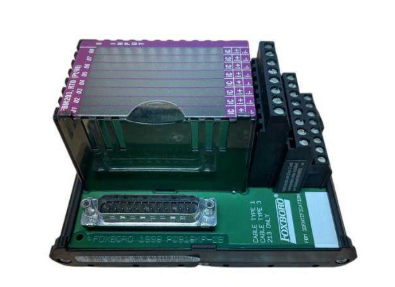 FOXBORO P0912CB I/O Terminal Module
 -
 FOXBORO P0911VJ high-precision control module
 -
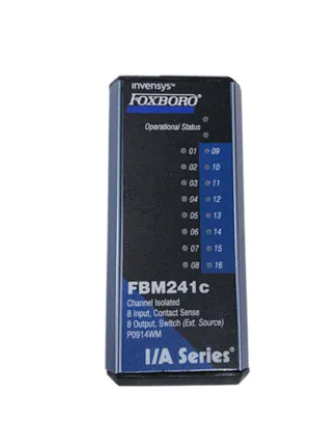 FOXBORO P0911QC-C 8-channel isolated output module
 -
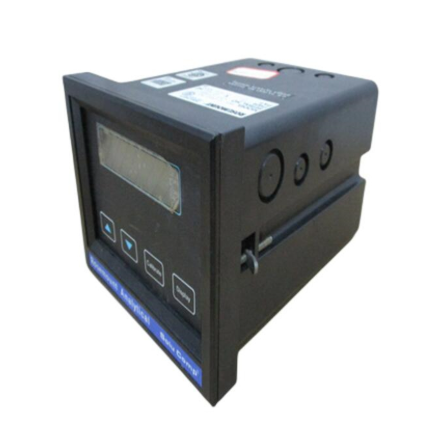 FOXBORO P0911QB-C High Performance Industrial Module
 -
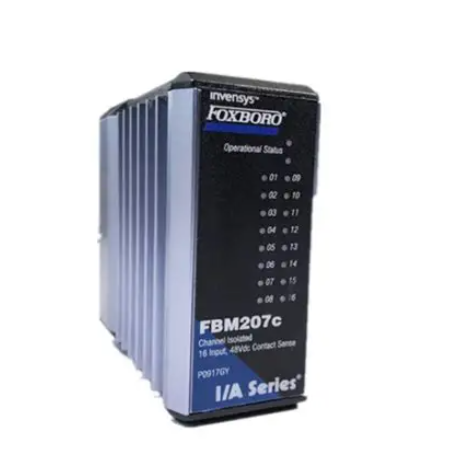 FOXBORO P0903ZP Embedded System Debugging Module
 -
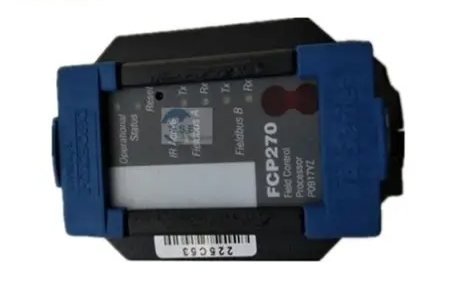 FOXBORO P0903ZN control module
 -
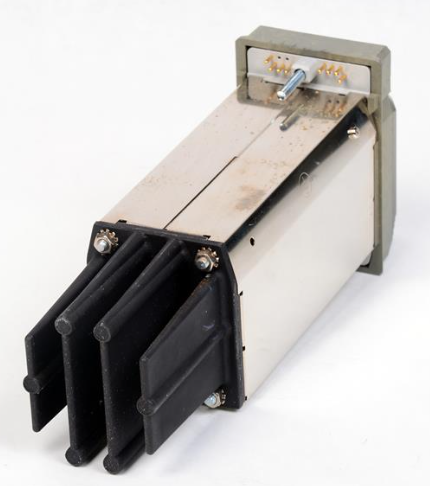 FOXBORO P0903ZL High Frequency Industrial Module
 -
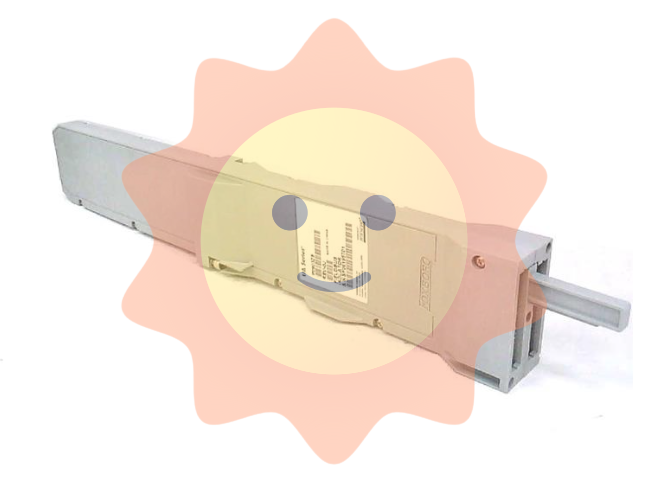 FOXBORO P0903ZE I/A series fieldbus isolation module
 -
 FOXBORO P0903NW Industrial Control Module
 -
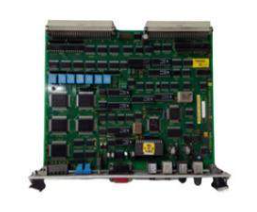 FOXBORO P0903NQ control module
 -
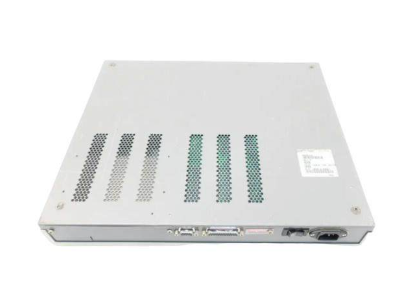 FOXBORO P0903AA Industrial Control Module
 -
 FOXBORO FBM205 cable
 -
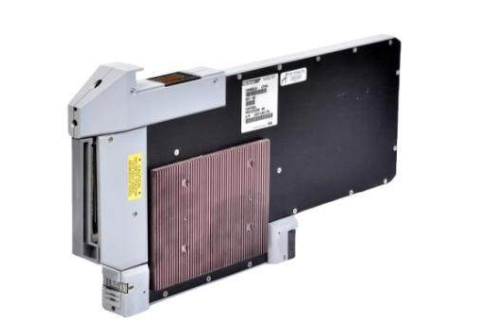 FOXOBORO P0960HA I/A series gateway processor
 -
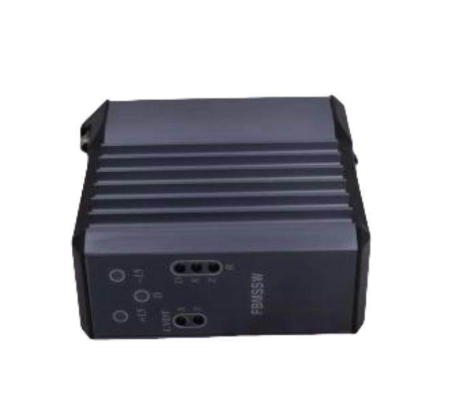 FOXBORO P0926TP high-performance control module
 -
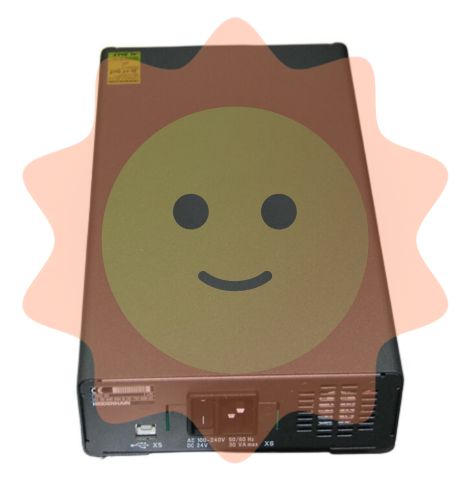 FOXBORO P0926KL control module
 -
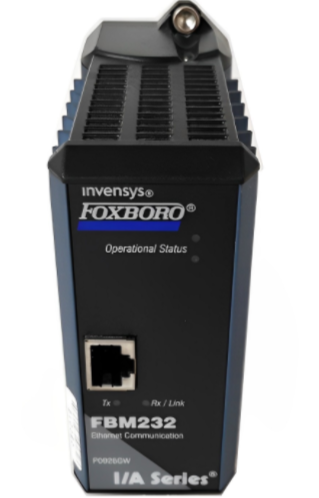 FOXBORO P0926KK PLC system functional module
 -
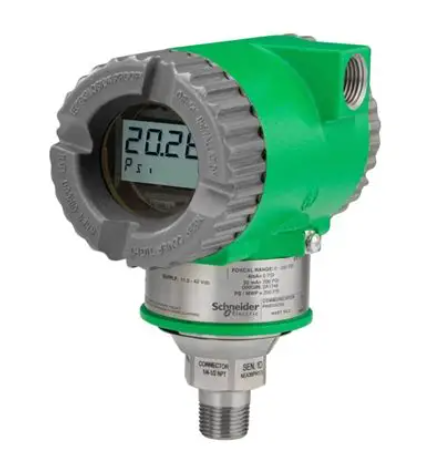 FOXBORO P0924AW wireless pressure transmitter
 -
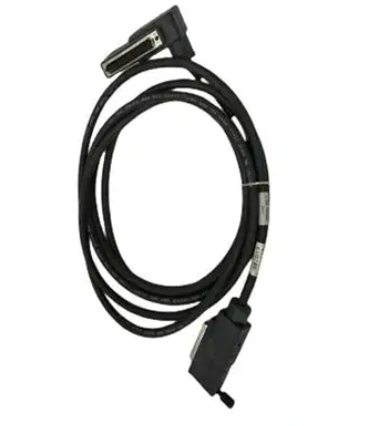 FOXBORO P0916NK differential pressure transmission cable
 -
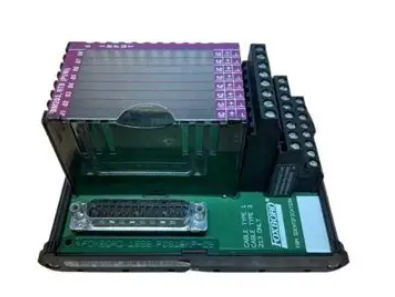 FOXBORO P0916JQ PLC module
 -
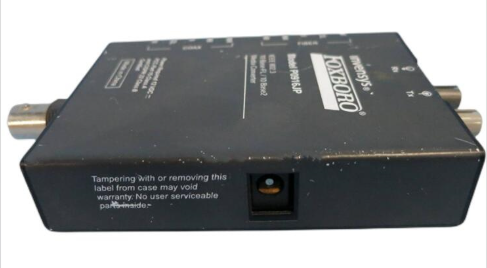 FOXBORO P0916JP I/A series control module
 -
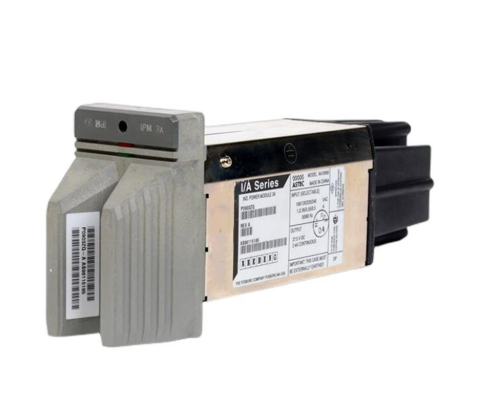 FOXBORO P0916GG Digital Input Module
 -
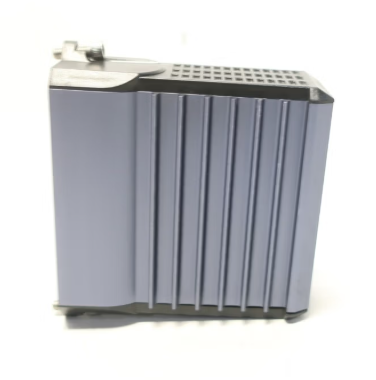 FOXBORO P0916DV I/A series digital input module
 -
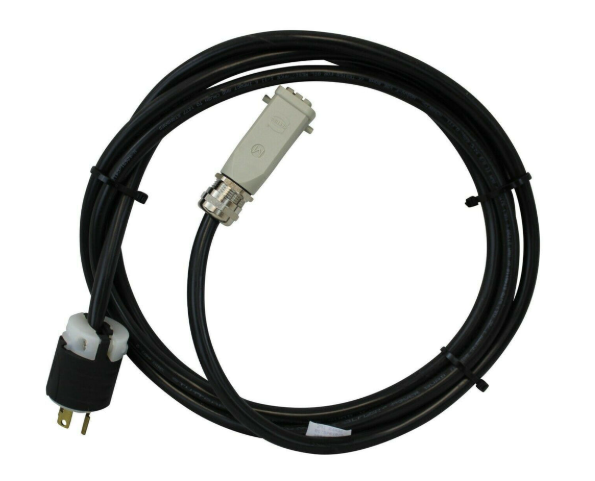 FOXBORO P0916DC Terminal Cable
 -
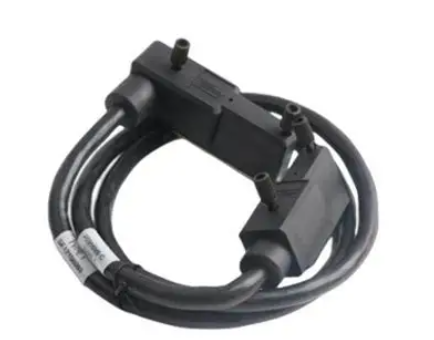 FOXBORO P0916DB I/A series PLC module
 -
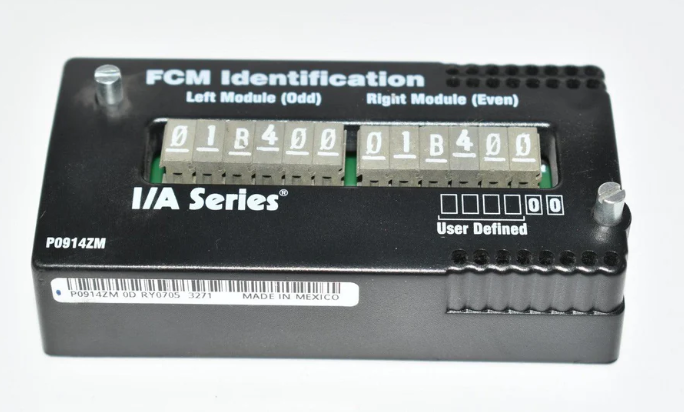 FOXBORO P0914ZM recognition module
 -
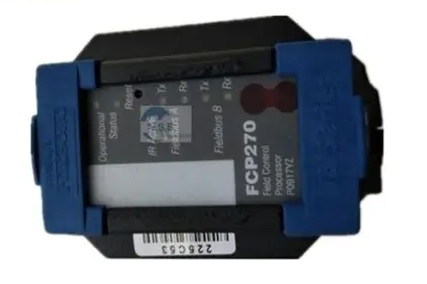 FOXBORO P0902YU control module
 -
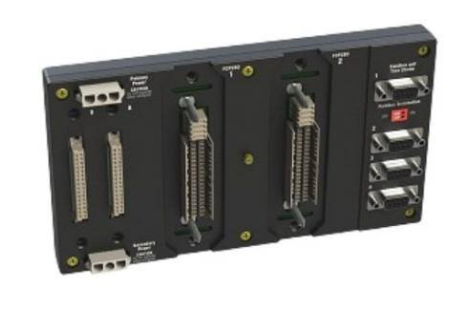 FOXBORO P0901XT Process Control Unit
 -
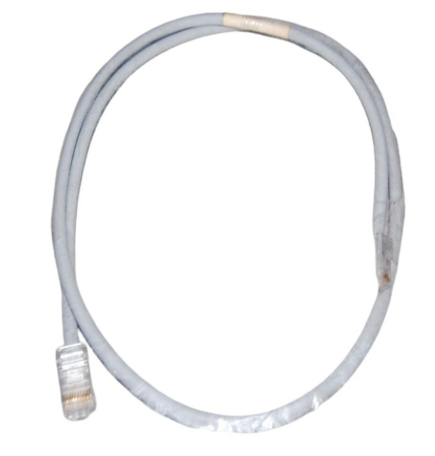 FOXBORO P0800DV fieldbus extension cable
 -
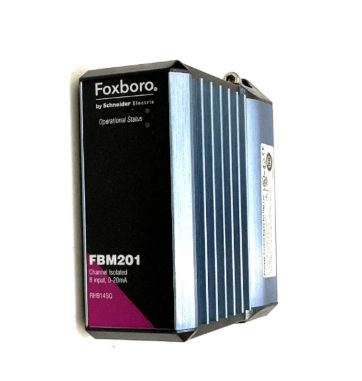 FOXBORO P0800DG Standard Communication Protocol Module
 -
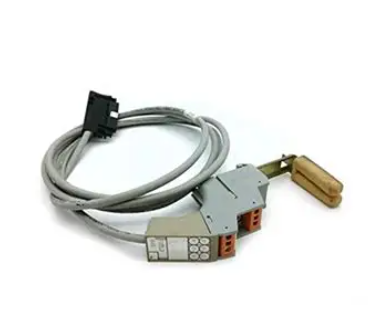 FOXBORO P0800DB Universal I/O Module
 -
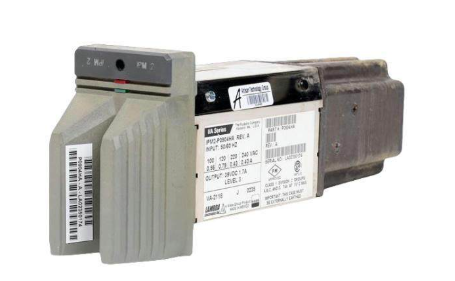 FOXBORO P0800DA Industrial Control Module
 -
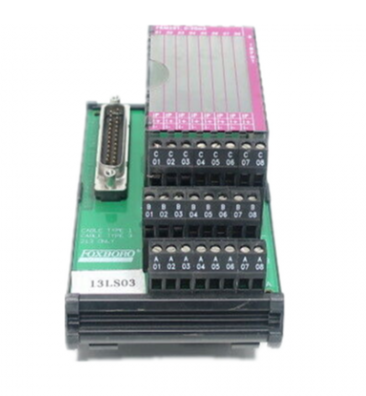 FOXBORO P0800CE control module
 -
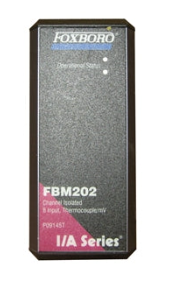 FOXBORO P0700TT Embedded System
 -
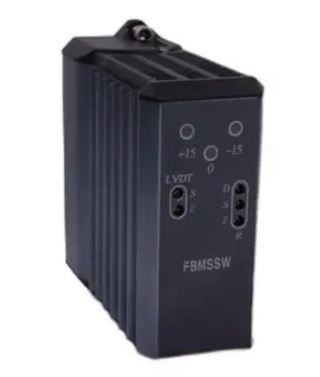 FOXBORO P0500WX Control System Module
 -
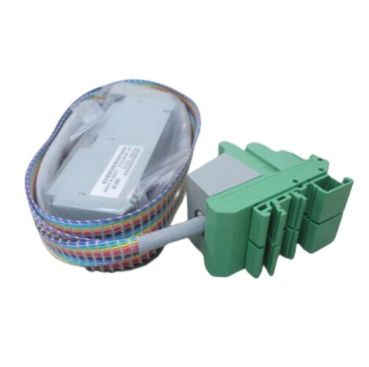 FOXBORO P0500RY Terminal Cable Assembly
 -
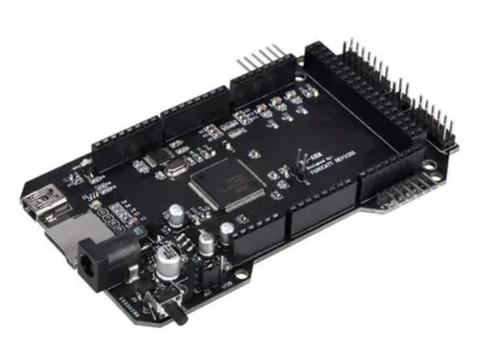 FOXBORO P0500RU control module
 -
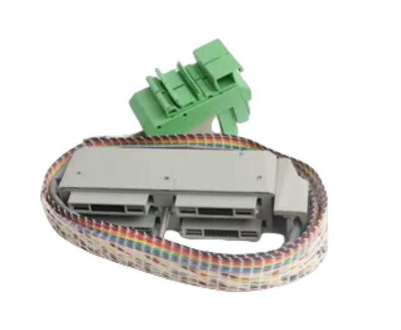 FOXBORO P0500RG Terminal Cable
 -
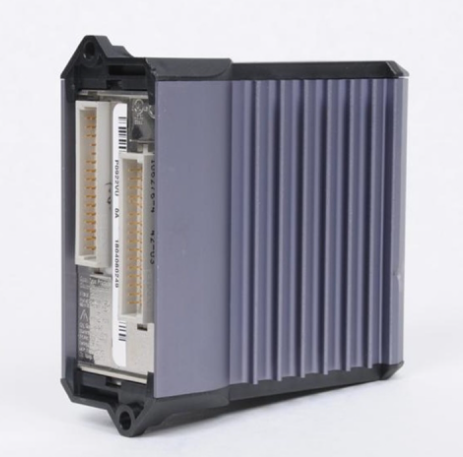 FOXBORO P0400ZG Node Bus NBI Interface Module
 -
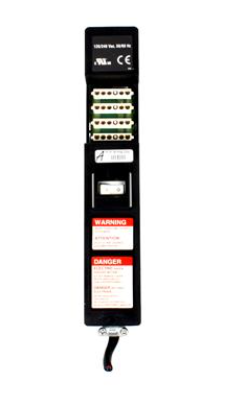 FOXBORO P0400GH fieldbus power module
 -
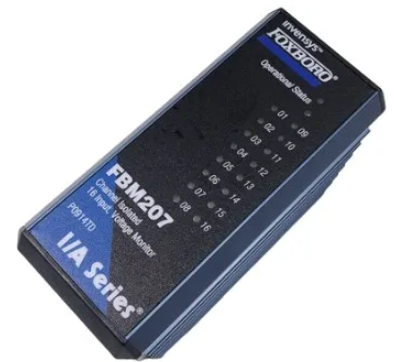 FOXBORO FBM207B Voltage Monitoring/Contact Induction Input Module
 -
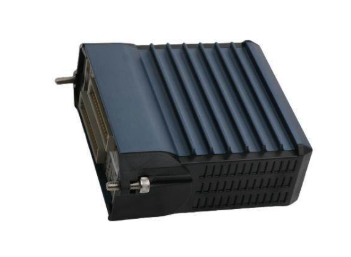 FOXBORO FBM205 Input/Output Interface Module
 -
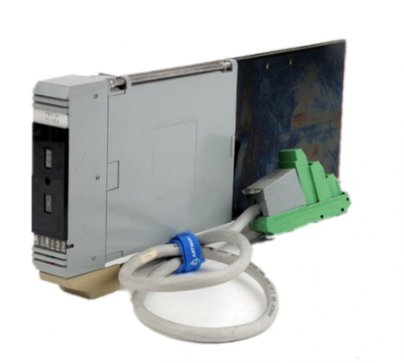 FOXBORO FBM18 Industrial Controller Module
 -
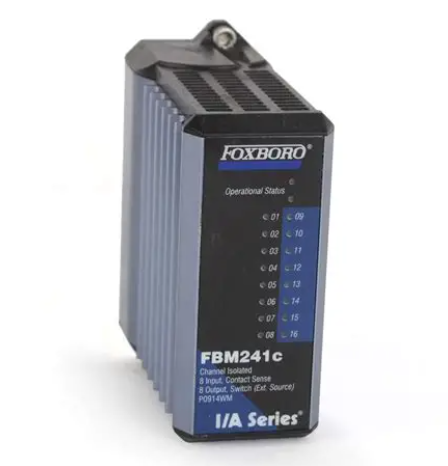 FOXBORO FBM12 Input/Output Module
 -
 FOXBORO FBM10 Modular Control System
 -
FOXBORO FBM07 Analog/Digital Interface Module
-
 FOXBORO FBM05 redundant analog input module
 -
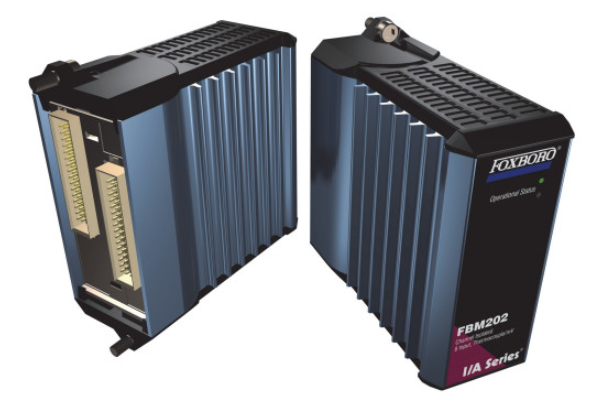 FOXBORO FBM02 thermocouple/MV input module
 -
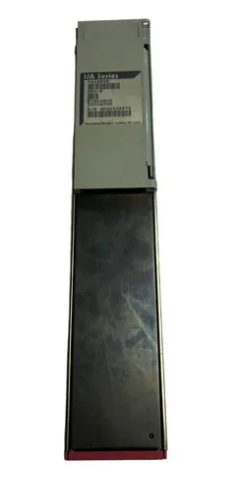 FOXBORO FBI10E fieldbus isolator
 -
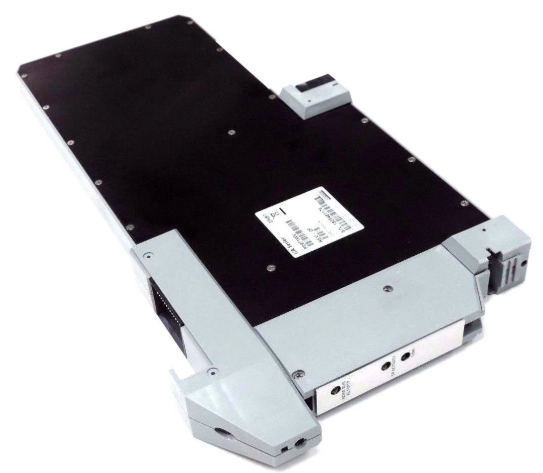 FOXBORO DNBT P0971WV Dual Node Bus Module
 -
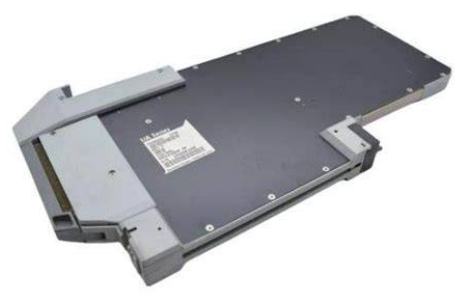 FOXBORO CP30 Control Processor
 -
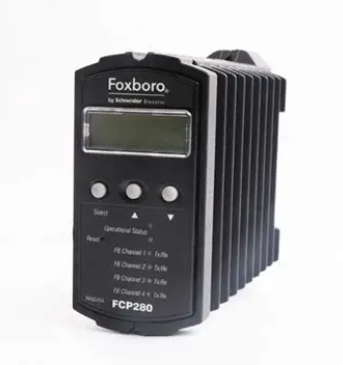 FOXBORO CM902WX Communication Processor
 -
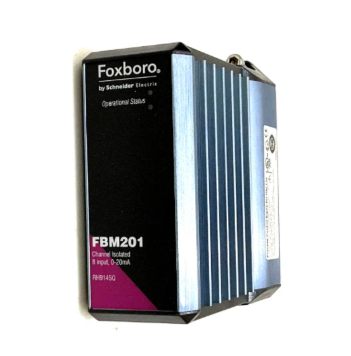 FOXBORO AD202MW Analog Output Module
 -
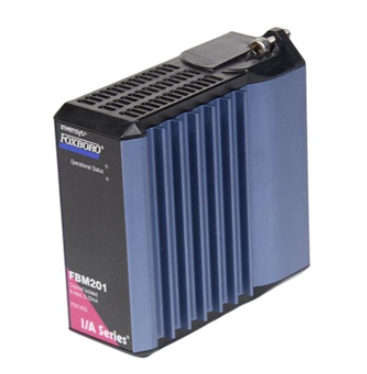 FOXBORO 14A-FR Configuration and Process Integration Module
 -
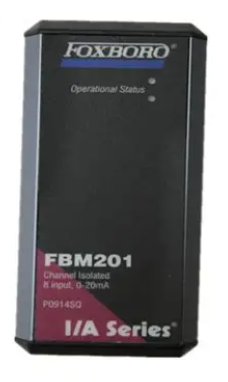 FOXOBORO 130K-N4-LLPF Controller
 -
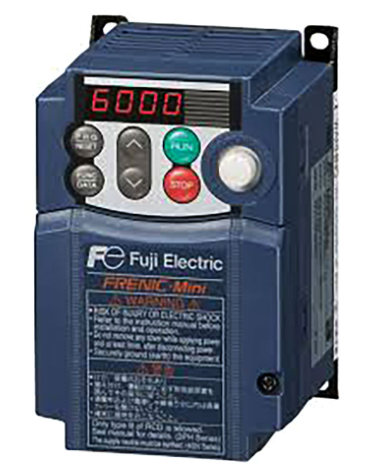 FUJI FVR004G5B-2 Variable Frequency Drive
 -
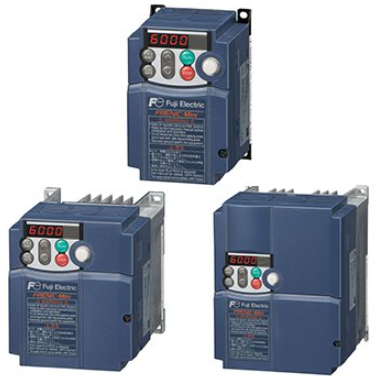 FUJI FVR008E7S-2 High Efficiency Industrial Inverter
 -
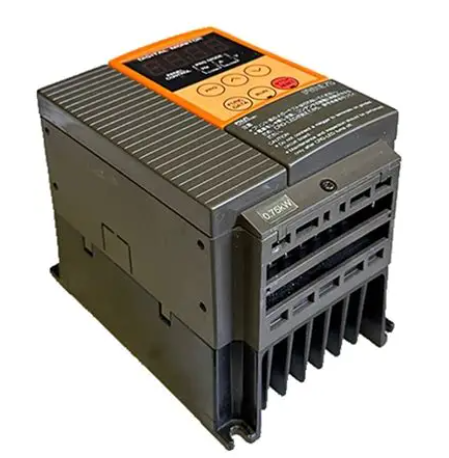 FUJI FVR008E7S-2UX AC driver module
 -
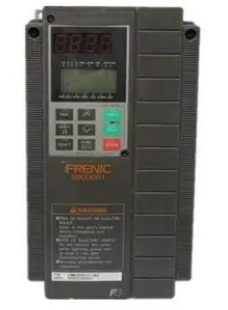 FUJI RPXD2150-1T Voltage Regulator
 -
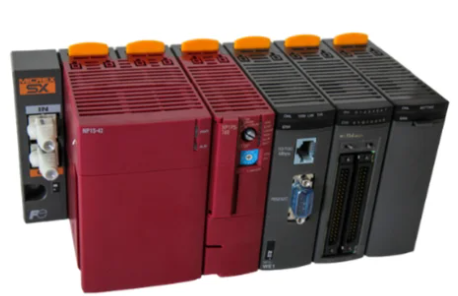 FUJI NP1PU-048E Programmable Logic Control Module
 -
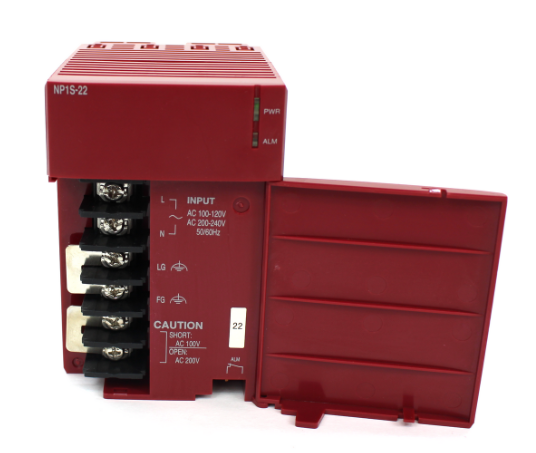 FUJI NP1S-22 power module
 -
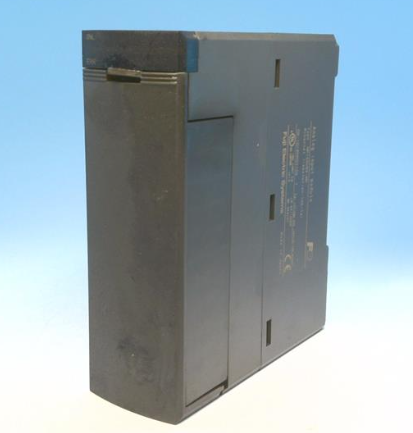 FUJI NP1AYH4I-MR PLC module/rack
 -
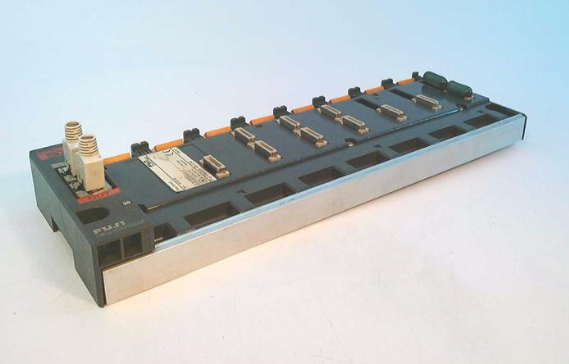 FUJI NP1BS-06/08 Programmable Controller
 -
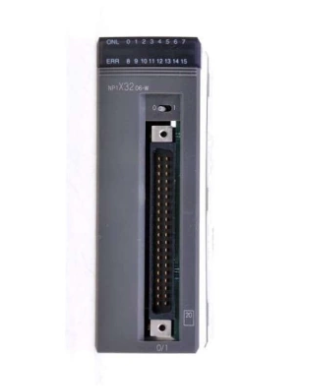 FUJI NP1X3206-A Digital Input Module
 -
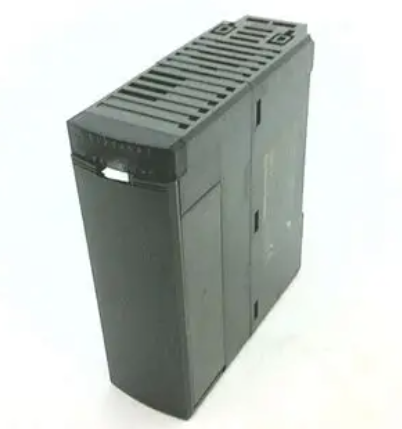 FUJI NP1Y16R-08 Digital Output Module
 -
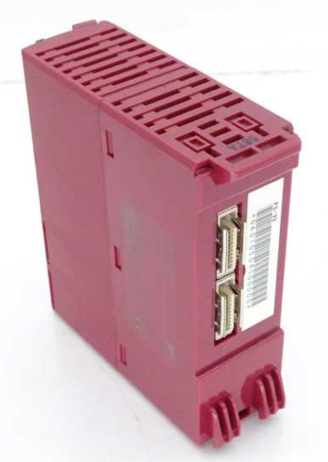 FUJI NP1Y32T09P1 high-speed output module
 -
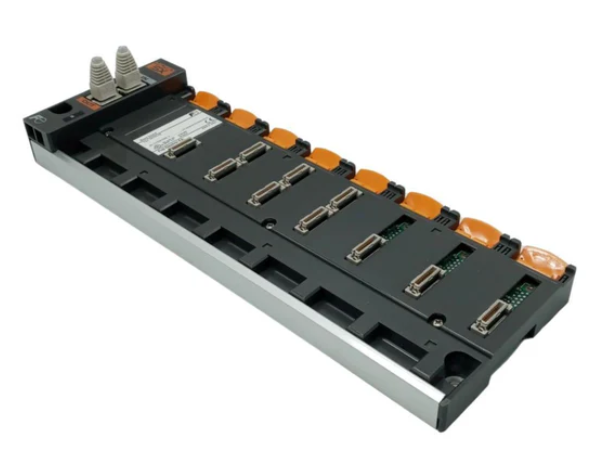 FUJI NP1BS-08 Base Plate
 -
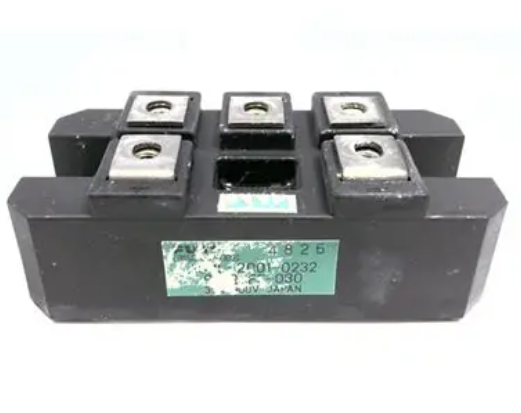 FUJI A50L-2001-0232 power module
 -
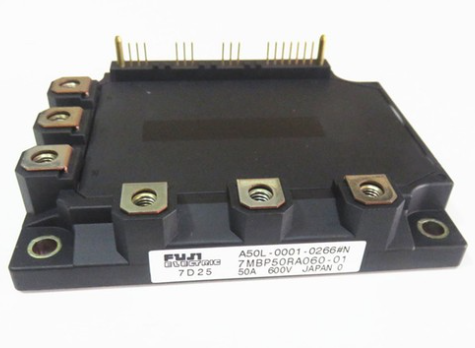 FUJI A50L-001-0266 # N Programmable Logic Control Module
 -
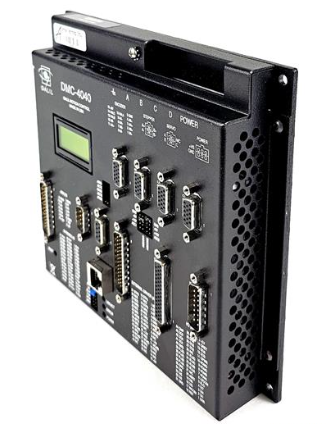 GE GALIL DMC9940 Advanced Motion Controller
 -
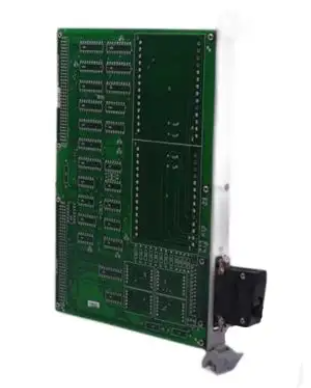 GE DMC-9940 Industrial Motion Control Card
 -
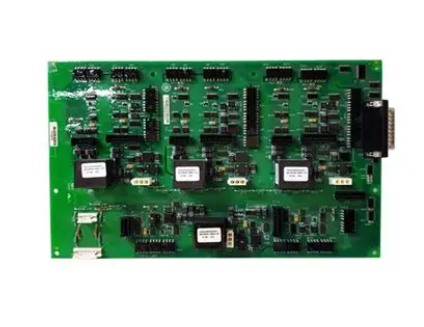 GE IS200AEADH4A 109W3660P001 Input Terminal Board
 -
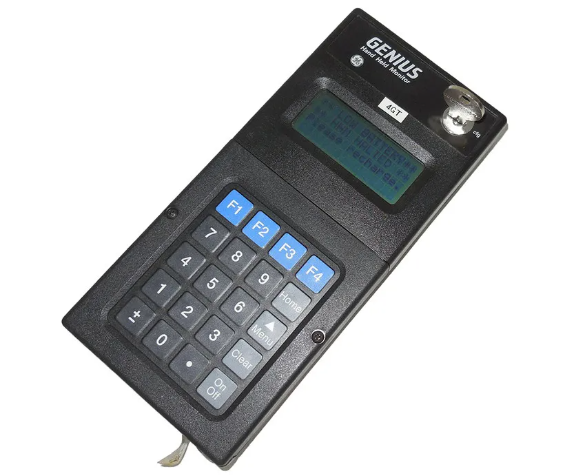 GE IC660HHM501 Portable Genius I/O Diagnostic Display
 -
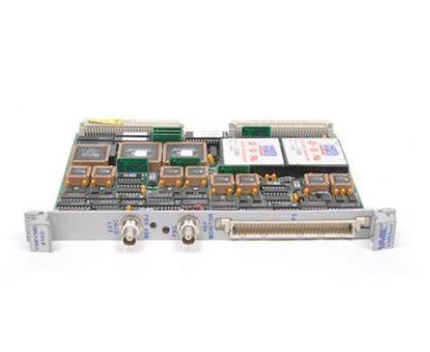 GE VMIVME 4140-000 Analog Output Board
 -
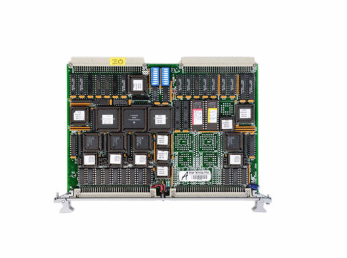 GE VMIVME 2540-300 Intelligent Counter
 -
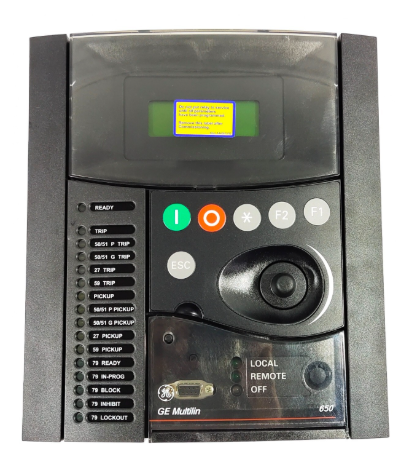 GE F650NFLF2G5HIP6E repeater
 -
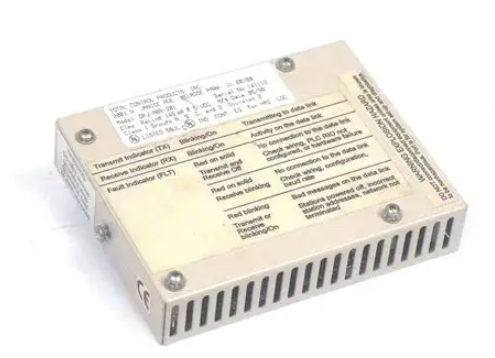 GE QPJ-SBR-201 Circuit Breaker Module
 -
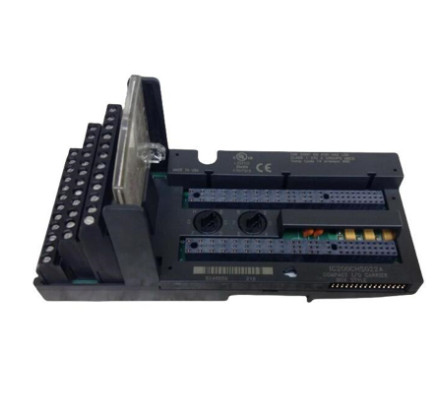 GE IC200CHS022E Compact I/O Carrier Module
 -
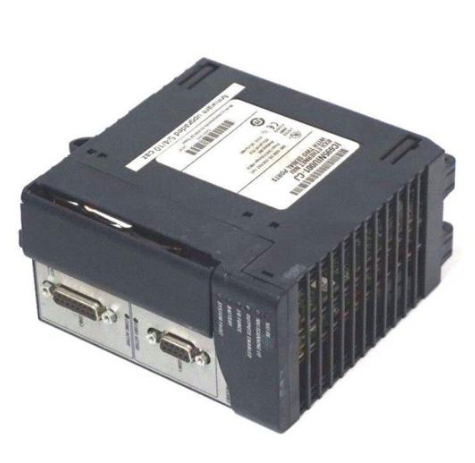 GE IC695PSD140A Input Power Module
 -
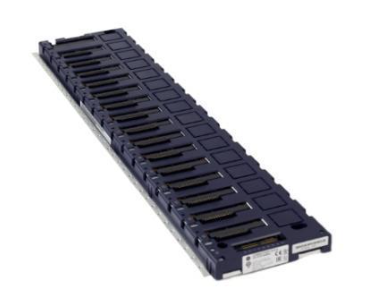 GE IC695CHS016-CA Backboard
 -
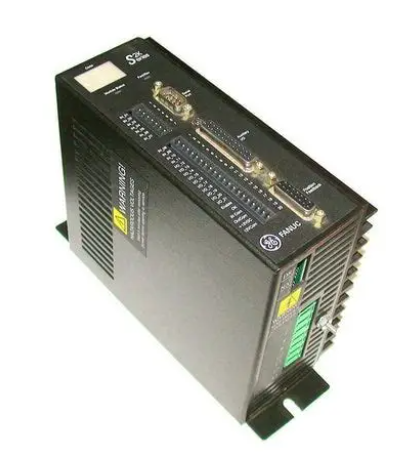 GE IC800SS1228R02-CE Motor Controller
 -
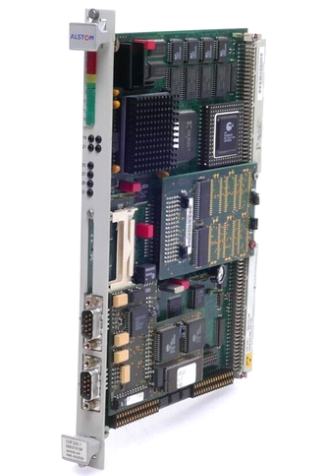 GE IS215WEMAH1A Input/Output Communication Terminal Board
 -
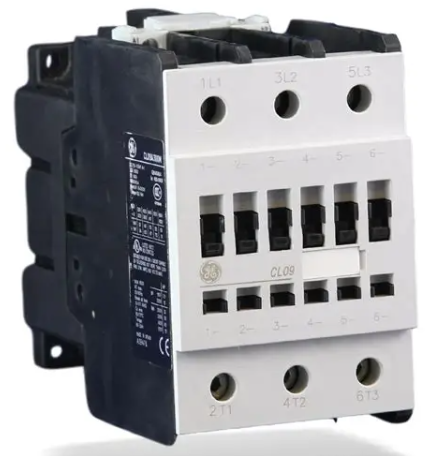 GE CK12BE300 24-28V AC/DC Contactor
 -
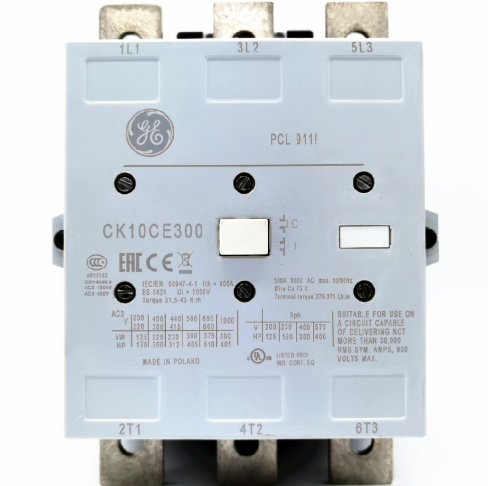 GE CK11CE300 contactor
 -
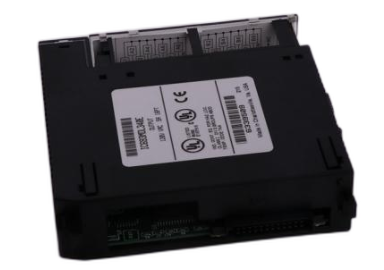 GE DS3800NB1F1B1A Control Module
 -
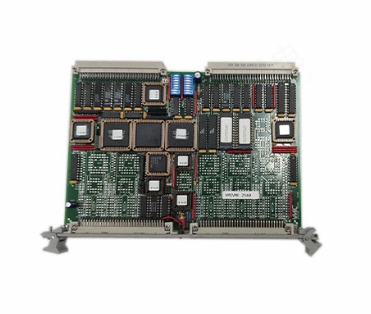 GE VMIVME2540 Intelligent Counter
 -
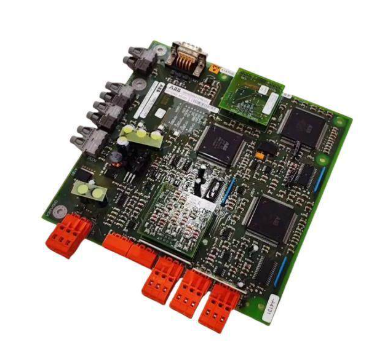 GE 369B1859G0022 High Performance Turbine Control Module
 -
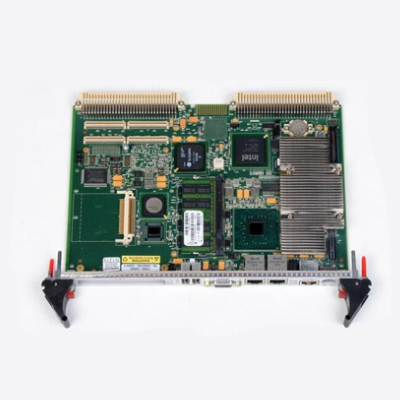 GE VME7865RC V7865-23003 350-930007865-230003 M AC contactor
 -
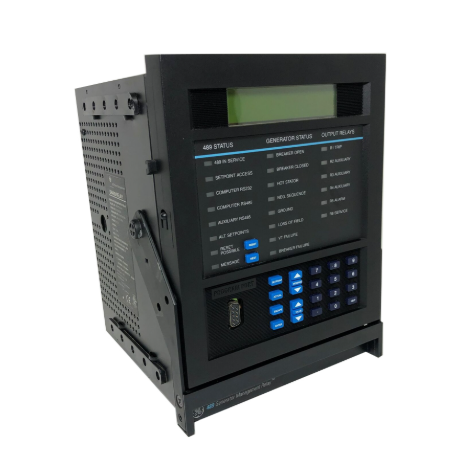 GE SR489-P5-H1-A20 Protection Relay
 -
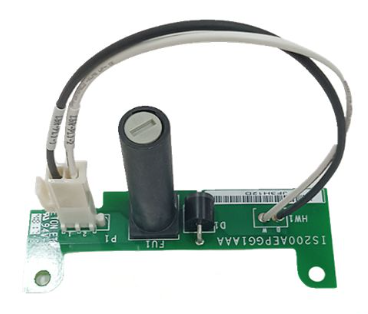 GE IS200AEPGG1AAA Drive Control Module
 -
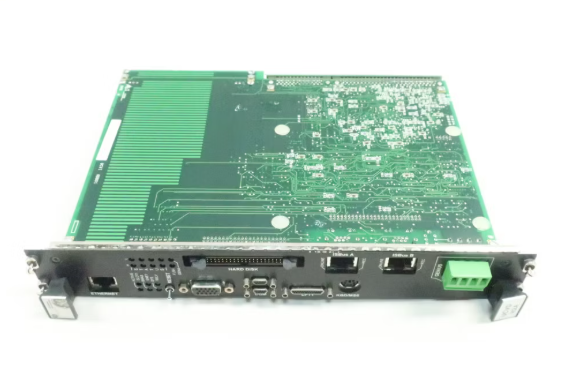 GE IS215UCCCM04A Compact PCI Controller Board
 -
 GE VME7768-320000 Single Board Computer
 -
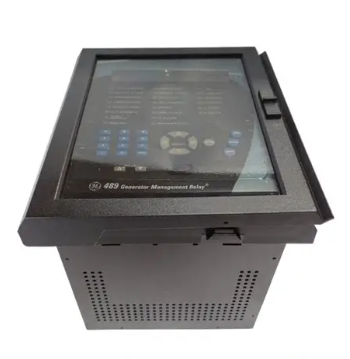 GE SR489-P5-LO-A1 Generator Protection Relay
 -
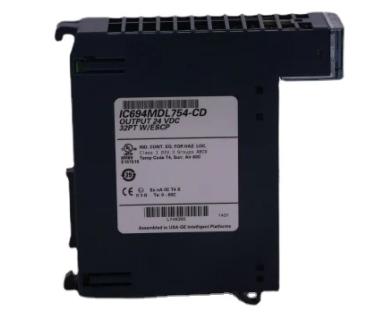 GE IS215WETAH1BB IS200WETAH1AGC Input/Output Interface Module
 -
 GE D20 EME210BASE-T Ethernet Module
 -
 GE IS200EXHSG3REC high-speed synchronous input module
 -
 GE IS200ECTBG1ADE exciter contact terminal board
 -
 GE VPROH2B IS215VPROH2BC turbine protection board
 -
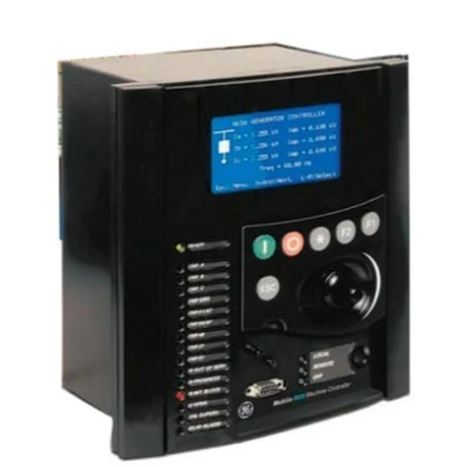 GE F650BFBF2G0HIE feeder protection relay
 -
 GE SLN042 IC086SLN042-A port unmanaged switch
 -
 GE SR489-P1-HI-A20-E Generator Management Relay
 -
 GE IS400JPDHG1ABB IS410JPDHG1A track module
 -
 GE IS410STAIS2A IS400STAIS2AED Industrial Control Module
 -
 GE IS410STCIS2A IS400STCIS2AFF Industrial Control Module
 -
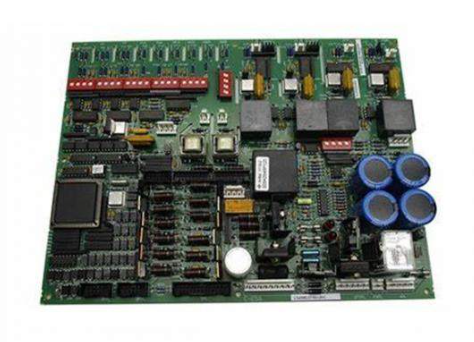 GE DS200DCFBG2BNC DS200DCFBG1BNC DC Feedback Board
 -
 GE VME5565 VMIVME-5565-11000 332-015565-110000 P Reflective Memory
 -
 GE VMIVME-7807 VMIVMME-01787-414001 350-00010078007-414001 D module
 -
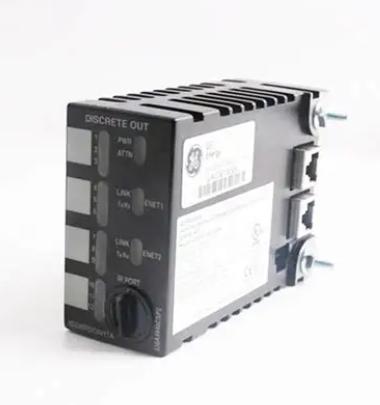 GE IS220PDOAH1A 336A4940CSP2 Discrete Output Module
 -
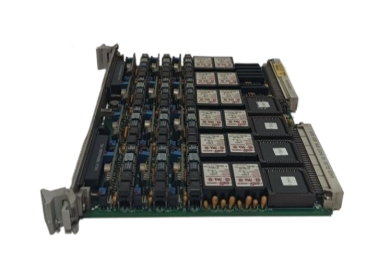 GE VMIVME-4150 Analog Output Module
 -
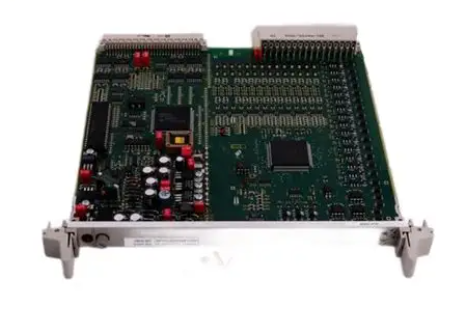 GE WESDAC D20 PS Industrial Power Module
 -
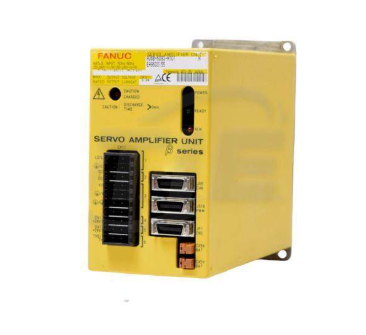 GE 369B1860G0031 servo drive module
 -
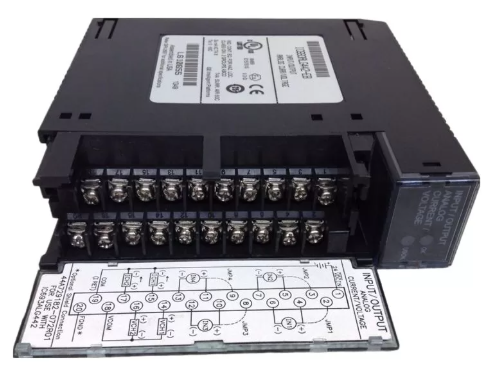 GE 369B1859G0021 Input/Output Module
 -
 GE 208D9845P0008 Motor Management Relay
 -
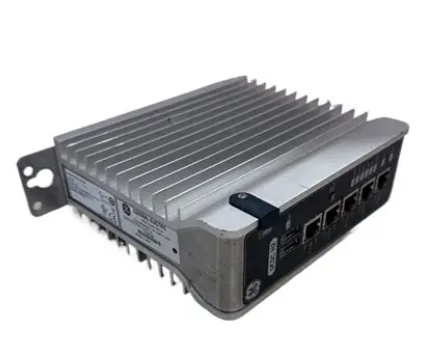 GE IS420UCSCH1A-F.V0.1-A Independent Turbine Controller
 -
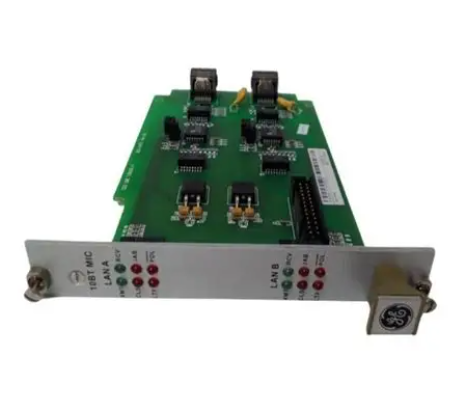 GE D20EME10BASE-T 820-0474 Ethernet Interface Module
 -
 GE DS200DCFBG2BNC MRP445970 DC Feedback Board
 -
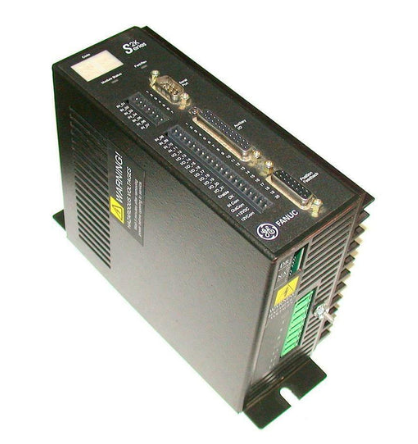 GE IC800SSI228RD2-EE servo motor controller
 -
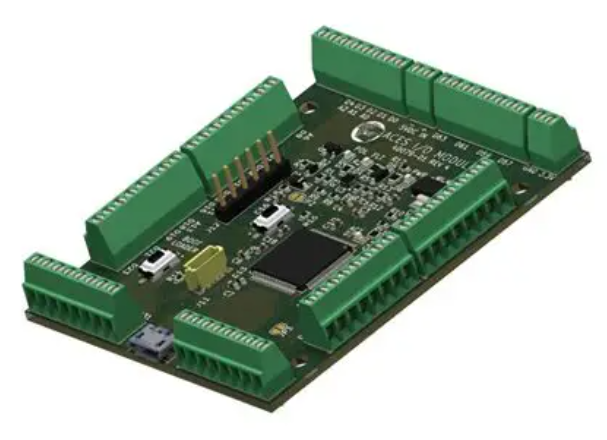 GE IS200JPDMG1ACC S1AT005 Digital Input/Output (I/O) Module
 -
 GE IS200TSVCH1AED servo input/output terminal board
 -
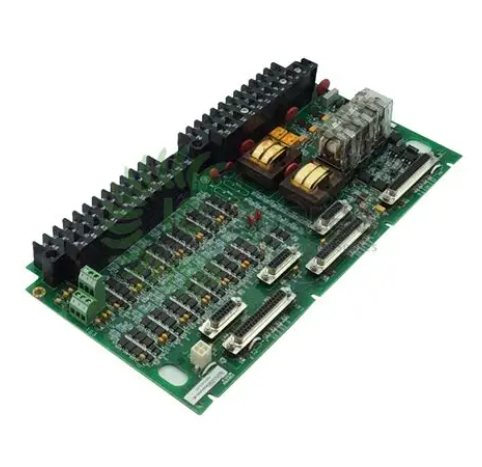 GE IS200TTURH1CCC S1DF00Z Terminal Turbine Plate
 -
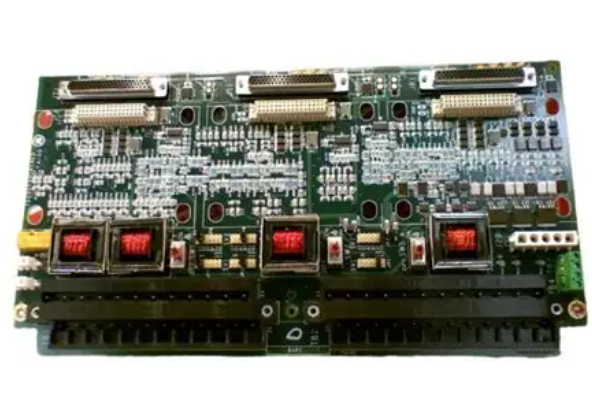 GE IS200TSVCH1ADC S1CX01H servo input-output board
 -
 GE IS200TRPGH1BDD S1C5029 Trip Solenoid Valve Control Board
 -
 GE IS220YAICS1A L Analog Input/Output Module
 -
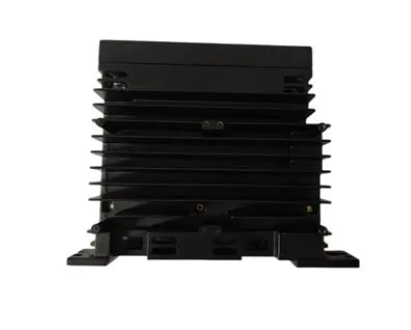 GE UCSC H1 IS420UCSCH1A-F-VO.1-A Controller Module
 -
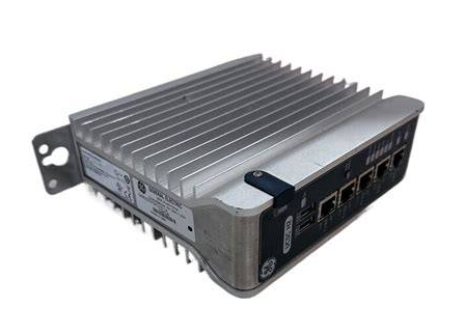 GE UCSC H1 IS420UCSCH1A-B Communication Processing Module
 -
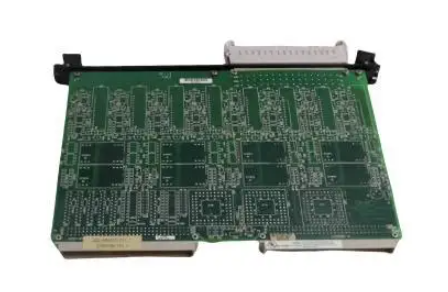 GE IC697VDD100 Digital Input Module
 -
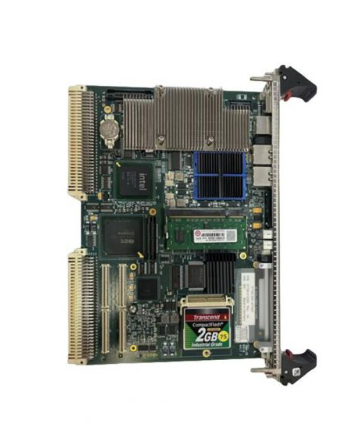 GE V7768-320000 3509301007768-320000A0 Controller Module
 -
 GE IS410TRLYS1B Relay Output Module
 -
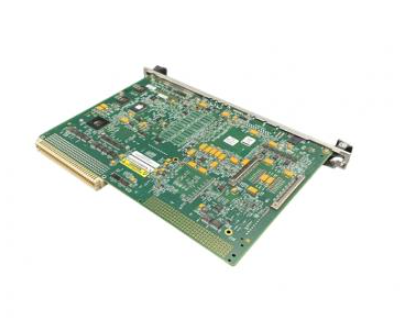 GE IS415UCVGH1A V7666-111000 VME Control Card


Email:wang@kongjiangauto.com